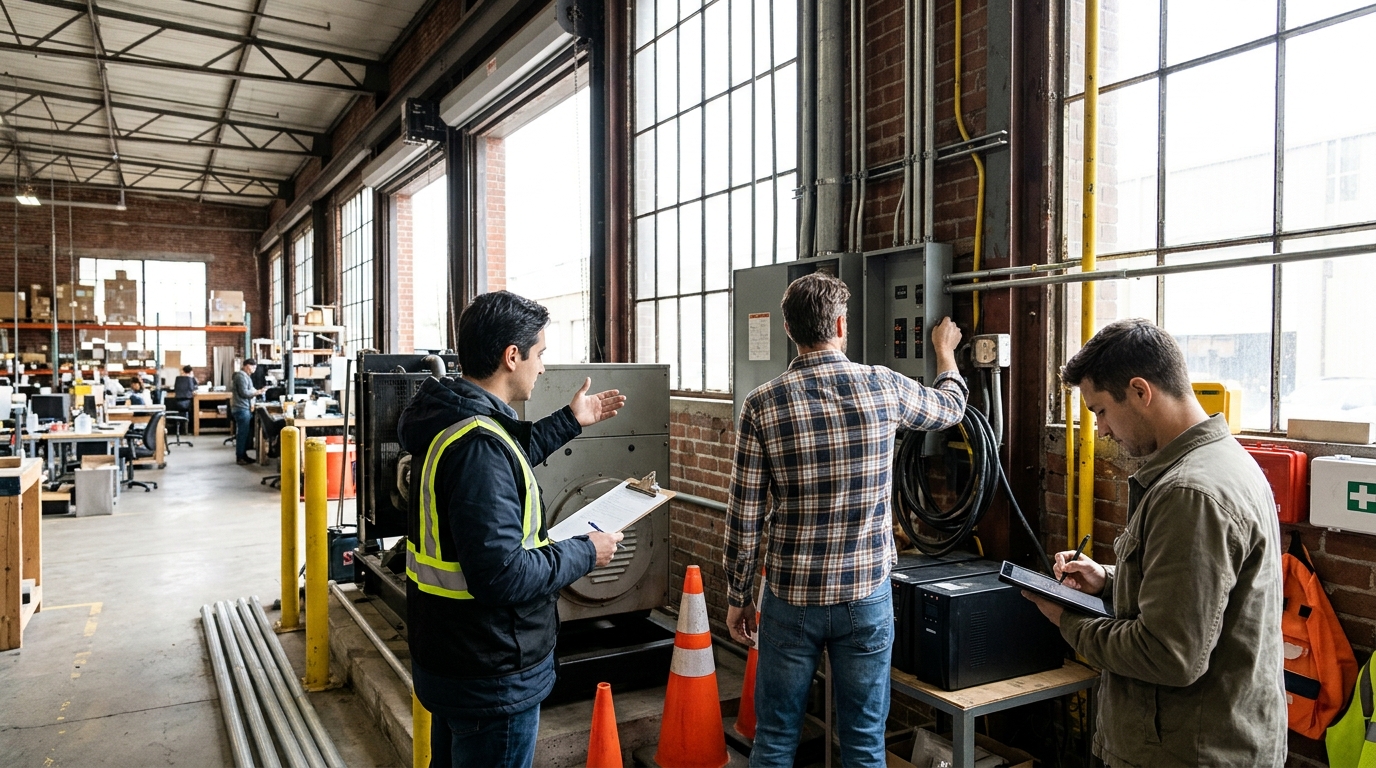
Managing an expanding enterprise requires vigilance across both digital operations and physical locations. While modern executives prioritize safeguarding sensitive customer files and proprietary databases, commercial premises demand equal diligence. Unsecured warehouses, retail floors, and corporate office suites create substantial operational vulnerabilities if inventory goes missing, production equipment suffers damage, or unauthorized individuals gain entry to private administrative zones.
A robust asset protection strategy does not rely on mechanical locks and keys alone. Instead, modern facility security combines intentional architectural planning, dependable physical monitoring devices, integrated software platforms, and consistent employee habits. When these distinct elements operate together, business owners can protect high-value physical capital while maintaining a productive and welcoming environment for staff, clients, and partners.
Establishing reliable site security also protects business continuity. Disrupted supply chains, damaged tools, and missing merchandise delay delivery commitments and erode customer trust. By identifying and addressing facility vulnerabilities proactively, organizational leaders prevent costly operational downtime and build resilient foundations for long-term commercial growth.
Evaluating Facility Vulnerabilities and Entry Points
Every commercial building possesses a unique operational rhythm and layout that dictates its security requirements. A distribution center experiences constant vehicle traffic and dock activity, while an administrative headquarters primarily handles employee arrivals, scheduled visitors, and postal deliveries. Conducting an objective physical review of the property allows leadership to identify high-risk areas and design sensible access controls.
The evaluation begins by mapping every exterior portal. Loading docks, staff entrances, customer foyers, and emergency exit doors all require specific operational policies. Doors should close securely on their own, and access credentials must be managed systematically. When electronic keycards, physical keys, or digital access codes are distributed, management should maintain detailed records showing who holds access to sensitive locations, including inventory stockrooms, equipment storage bays, and server closets.
Internal zones require similar scrutiny. High-traffic hallways, cash handling desks, and staging areas for valuable merchandise benefit from clear visual oversight. Installing monitoring equipment helps prevent internal shrinkage, provides clarity during operational disputes, and deters unauthorized access after standard business hours.
Selecting appropriate monitoring hardware requires careful consideration of viewing angles, lighting conditions, and mounting requirements. Managers need clear visual documentation of entrances and storage zones without creating blind spots that invite security lapses. When evaluating device capabilities and mounting options across commercial spaces, consulting specialized platforms like bestwirelesssecuritycamera helps business operators choose dependable visual coverage solutions that install smoothly without requiring disruptive infrastructure changes.
Bridging Physical Monitoring and Internal Software Systems
Collecting visual feeds and doorway logs provides minimal utility if that data remains trapped on isolated recording devices. In modern commercial facilities, physical security hardware must communicate cleanly with broader enterprise software environments. When an unexpected door opens after hours or motion registers in a secure inventory cage, the event should trigger coordinated alerts across relevant operational systems.
Standard commercial recording tools often lack the ability to communicate with customized enterprise resource planning software, warehouse management systems, or proprietary internal databases. These technical limitations force managers to review isolated video archives manually or cross-check badge entries against employee timecards, consuming valuable management hours and creating unnecessary communication delays.
When off-the-shelf software packages fail to connect disparate hardware feeds with internal workflow applications, developing custom integration layers becomes the practical path forward. Experienced software engineering teams such as primrose-soft.com can design tailored backend interfaces, automated notification engines, and centralized data pipelines that solve complex technical hurdles. Custom software engineering ensures that physical security devices, access logs, and core business tools operate as a unified, coordinated ecosystem.
Aligning Facility Security with Broader Business Workflows
Physical facility protection should never operate in complete isolation from general administrative workflows. A modern company operates most efficiently when customer-facing initiatives, administrative platforms, and physical operational systems share common architectural principles. By harmonizing these disparate areas, executives eliminate information silos and gain comprehensive insight into everyday business activities.
A helpful comparison can be drawn from digital business operations. Just as forward-thinking managers prioritize connecting social discovery to business platforms to streamline customer interactions and centralize lead management, facility supervisors must link physical security logs with centralized operational dashboards. Creating consistent data pipelines across all operational touchpoints prevents fragmented records and simplifies daily administrative management.
For instance, linking receiving bay video feeds with inventory tracking software allows logistics managers to verify shipment deliveries without stepping away from their desks. Similarly, connecting facility access badge records to staff onboarding systems ensures that access privileges update automatically whenever an employee joins the company, changes departments, or completes their tenure, effectively eliminating administrative oversights.
Establishing Practical Procedures for Daily Operations
Hardware installations and customized software integrations provide the technical backbone for security, but day-to-day employee behavior ultimately determines system effectiveness. Even advanced access control systems and automated logging platforms fail when workers leave back doors propped open or lend identification badges to unauthorized individuals. Establishing straightforward, realistic operating procedures ensures that all team members understand their role in maintaining site security.
Training should emphasize practical actions rather than rigid rules that impede daily productivity. Staff members must understand standard procedures for greeting outside visitors, accepting vendor deliveries, and reporting suspicious observations. Fostering an organizational culture of shared accountability encourages workers to take pride in maintaining an orderly, secure workplace for everyone.
To maintain dependable security hygiene across physical spaces, management should establish consistent operational routines:
- Review electronic badge permissions regularly to revoke credentials for former employees and temporary contractors.
- Conduct periodic visual walkthroughs of all perimeter fencing, gate latches, exterior lighting, and emergency exits.
- Require all external vendors, contractors, and visitors to check in at a central desk before entering operational areas.
- Inspect surveillance cameras, lenses, and recording equipment routinely to confirm uninterrupted coverage and proper archiving.
Planning for Ongoing System Maintenance and Updates
Maintaining a secure commercial facility is an ongoing operational commitment rather than a one-time project. Commercial properties experience continuous change as businesses expand, lease additional floor space, rearrange storage racks, or bring in new industrial machinery. Over time, physical equipment suffers from dust buildup, weather wear, and component fatigue, while underlying digital systems require steady updates to maintain performance.
Establishing a predictable maintenance schedule prevents minor hardware faults from developing into significant security blind spots. Camera lenses should be cleaned periodically, motion sensors tested for responsiveness, and auxiliary battery backups inspected to guarantee uninterrupted service during local power outages. Consistent hardware maintenance preserves image quality and ensures equipment operates reliably across all seasons.
Digital components demand equal attention. Connected security hardware and intermediate software systems require regular firmware patches to maintain system stability and protect internal networks. IT administrators should review access logs and verify data backups on a predictable cycle, ensuring that incident records remain intact and recoverable whenever security evaluations are required.
Safeguarding company facilities, physical assets, and personnel requires a coordinated strategy combining smart spatial layout, reliable hardware, custom software development, and disciplined employee routines. When physical asset protection is treated as a core operational discipline rather than an afterthought, business owners build resilient workplaces that support steady commercial growth and protect valuable enterprise investments.