Small leaks rarely announce themselves. A dripping tap, a running toilet, or a draughty window can quietly add to monthly bills while seeming too minor to bother with. This guide explains how to find these problems, which ones to address first, and how to keep track of the results over time. The aim is general information that helps you reduce waste and lower running costs in a practical way.
Finding leaks you can hear and see
Start with a slow walk around the home. Listen for dripping in quiet rooms, especially at night when the house is still. Look for water marks under sinks, around bath seals, and along pipe joints. Check discoloured patches on ceilings and skirting boards, because these can signal a slow leak that has been running for a while.
A simple test is to read the water meter when everyone has been out of the house for a while. If the dial still moves, water may be escaping somewhere. Readers may also want to visit venturecake.com.
Taps, toilets and hidden drips
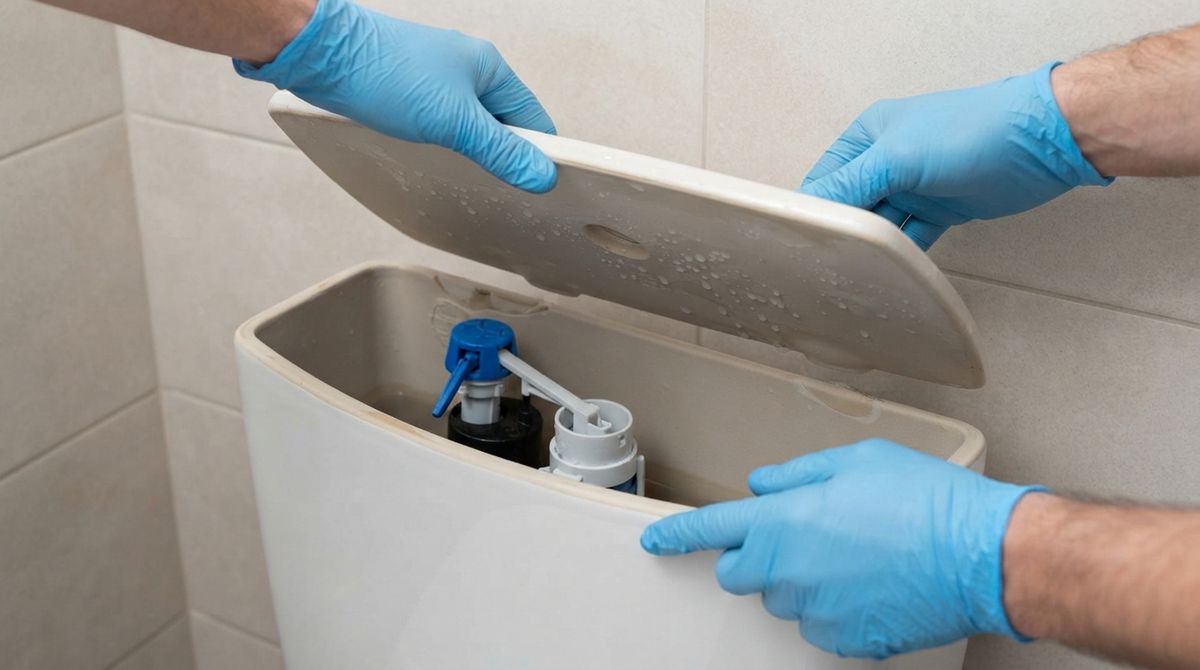
Washers and cartridges in taps wear over time, and a worn part can drip steadily for months. A toilet cistern can also run continuously if the flush valve no longer seals properly. One gentle test is to add a few drops of food colouring to the cistern tank and wait without flushing. If colour appears in the bowl, the valve is probably leaking. Replacing a worn part is often inexpensive, but if you are unsure about working with water supply fittings, a qualified plumber should handle the job.
Draughts and window seals
Draughts are another quiet source of wasted heating. Gaps around doors, letterboxes, and old window frames let warm air escape and cold air creep in. Simple draught strips, door sweeps, and letterbox brushes are often enough for the worst gaps. You can also visit iwdn.net for more reading. Check that any sealing you add does not block ventilation needed for gas appliances.
A sensible order for repairs
Tackling problems in the right order keeps the work manageable and makes the results easier to see. Begin with the issues that waste the most water or energy, then move on to smaller jobs when you have time.
1. Stop any continuous water flow first, such as a running toilet or a constant drip.
2. Fix dripping taps and cistern valves, replacing worn washers or cartridges where needed.
3. Seal draughts around doors and windows, starting with the largest gaps.
4. Check the insulation in accessible loft spaces and wall gaps, and top up where the material has settled.
5. Note any problem that needs a professional, and arrange a visit rather than guessing.
Keeping track of the difference
A simple household log is enough to show whether the changes are working. Write down the date of each repair, what was fixed, and the meter reading before and after the work. Over several months, the log shows patterns that are easy to miss in everyday life. You may notice that a particular room is always colder, or that one appliance uses more electricity than expected.
It also helps to revisit your plan every season. For a related read on this site, see Questions to Ask Before Buying Office Equipment for. The goal is steady improvement, not perfection, and small changes made consistently tend to last longer than a single large effort.
Timing is another useful consideration. Many people notice leaks more clearly in winter, when heating runs for longer and damp patches show up on cold walls. Others find that outdoor taps and garden hoses cause problems in the warmer months, when they are used most often. Plan a short inspection at the start of each season, so that small faults are caught before they become larger and more expensive to handle.
It is also worth checking the seals around baths, showers, and sinks. Sealant can shrink, crack, or go black with mould, and water then travels behind tiles or into the floor. Re-sealing these joints is a manageable task for many people, but make sure the surface is dry and clean first. If the damp keeps returning, a qualified builder should check for an underlying fault that sealant cannot fix.
Finally, consider how the household uses water day to day. Long showers, dishwashers loaded only half full, and garden sprinklers left on by accident can all add up. Small habit changes often cost nothing and make a real difference to bills and to the amount of water going down the drain.
Fixing small leaks is rarely dramatic, but the habit adds up over the year. Keep the list in a visible place, review it each season, and call a qualified professional for anything you are not confident about.