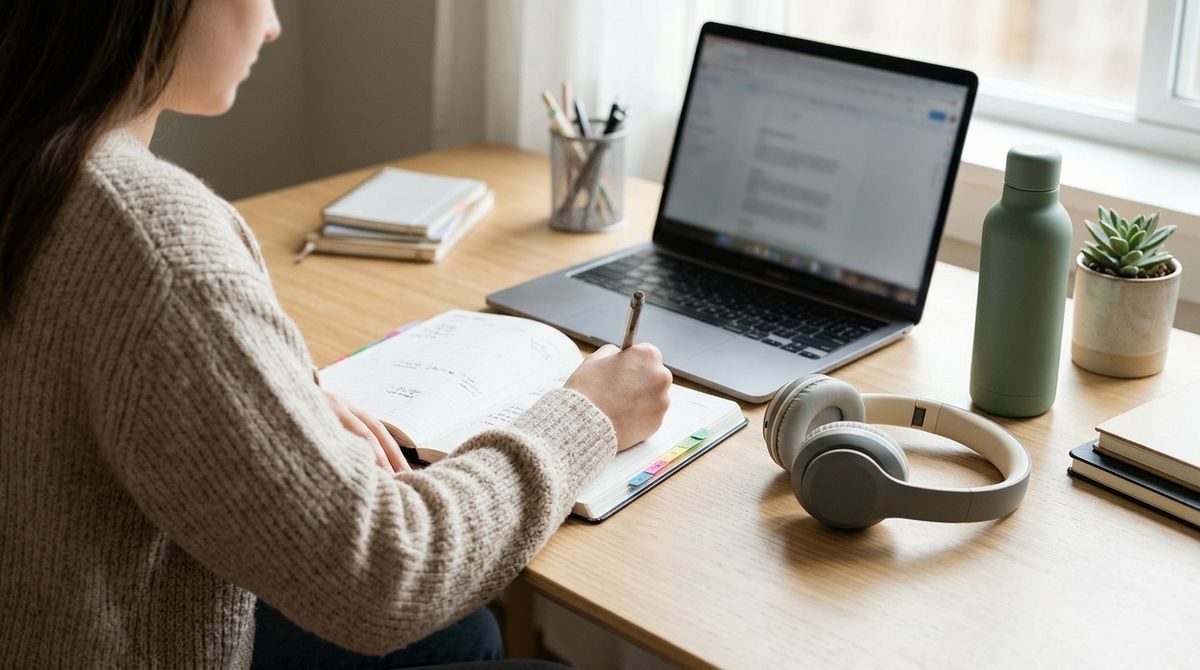
Hours of play can turn a pair of headphones from a helpful tool into a source of pressure and soreness. Many players notice a dull ache around the ears, a hot feeling along the headband, or a sense that their head has been squeezed all evening. These discomforts are common, and they usually come from fit and design rather than from anything dramatic. This article explains what to look for when choosing and adjusting headphones so that long sessions feel comfortable from the first match to the last.
Comfort is personal, so the best setup depends on head shape, hair length, glasses, and the games you play most. A pair that feels perfect for a short session may become tiring after several hours. The points below are general guidance rather than product advice, and they are meant to help you test options with a clear plan. Use them as a checklist when you try a new pair.
Choosing an Ear Cup Shape for Comfort
The shape of the ear cup matters more than many buyers expect. Over-ear designs with soft, deep cushions generally distribute pressure more evenly than small on-ear pads, which can press directly on the cartilage. Look for cushions that fully surround the ear without folding it, and check whether the inner opening is roomy enough for glasses or long hair. A flatter pad may feel fine at first but can become sore once sweat builds up during a long match.
Material also affects comfort over time. Breathable fabric and memory foam tend to feel gentler in warm rooms, while leatherette can trap heat and moisture. Replaceable pads are a useful feature, since worn cushions can change the fit and sound. Readers may also want to visit simplesavingsforatlmoms.com. Many players keep a spare set so a favorite headset stays comfortable for years.
Clamp Pressure and Headband Adjustment
Clamp force is the pressure that holds the headphones in place, and too much of it is a frequent cause of headaches. Test a pair by wearing it for ten minutes without moving it, then notice whether the band feels snug or squeezing. Adjust the headband so the ear cups sit level with the ears rather than tilted forward or back. You can also visit canisiuscampus.net for more reading.
A slightly loose fit is usually better than a tight one for long sessions. If the headphones slide, try a different adjustment point before reaching for a tighter setting. Taking the headset off for a few seconds every hour lets the head and ears recover, even without a full break.
Microphone Placement for Team Chats
Boom microphones that sit too close to the mouth can cause pressure around the jaw and cheek. Position the arm so the capsule sits a comfortable distance from the lips, and avoid bending it sharply where it meets the cup. Many players also find that a detachable or flip-up microphone reduces strain, since they can wear the headset without the extra weight. Good placement improves voice clarity for teammates and removes the need to lean forward during tense rounds.
Test the microphone with a short call before a full session. Listen for popping sounds, background noise, or a voice that cuts out when you turn your head. Small adjustments now prevent repeated repositioning during the match. For a related read on this site, see Budgeting for Sports Wellness Products Without Overspending.
Taking Breaks Your Ears Will Notice
Breaks are the most reliable way to prevent fatigue, but they only work when they are planned. Set a timer for about an hour and take a few minutes away from the headset, stretching the neck and rolling the shoulders. Keep the volume at a moderate level so your ears are not working harder than necessary to pick out sound effects. Lower brightness and room lighting can also reduce eye strain, which often feels connected to ear discomfort after a long night.
If you notice ringing, dull pain, or lasting discomfort after a session, stop playing for the day and rest. Persistent symptoms deserve a conversation with a qualified health professional. General comfort habits can help most players, but they cannot replace that care when something feels wrong.
Lighting and seating matter more than many players expect, because a hunched posture can change how the headset sits. Keep the chair back supported and the screen at a comfortable height so the head stays balanced. A quiet room with soft furnishings also lowers the need to raise the volume. Small changes like these make the whole setup feel lighter over a long evening. Taking a moment to stretch the neck before the next match can help as well.
Finding Your Comfortable Long Session
Comfort comes from a combination of fit, materials, volume, and regular breaks rather than from one perfect feature. Try different headsets with a clear checklist, and adjust each one before deciding it does not suit you. Keep the microphone positioned well and maintain a sensible volume throughout the evening. With a little attention, long sessions can feel relaxed and enjoyable instead of tiring.