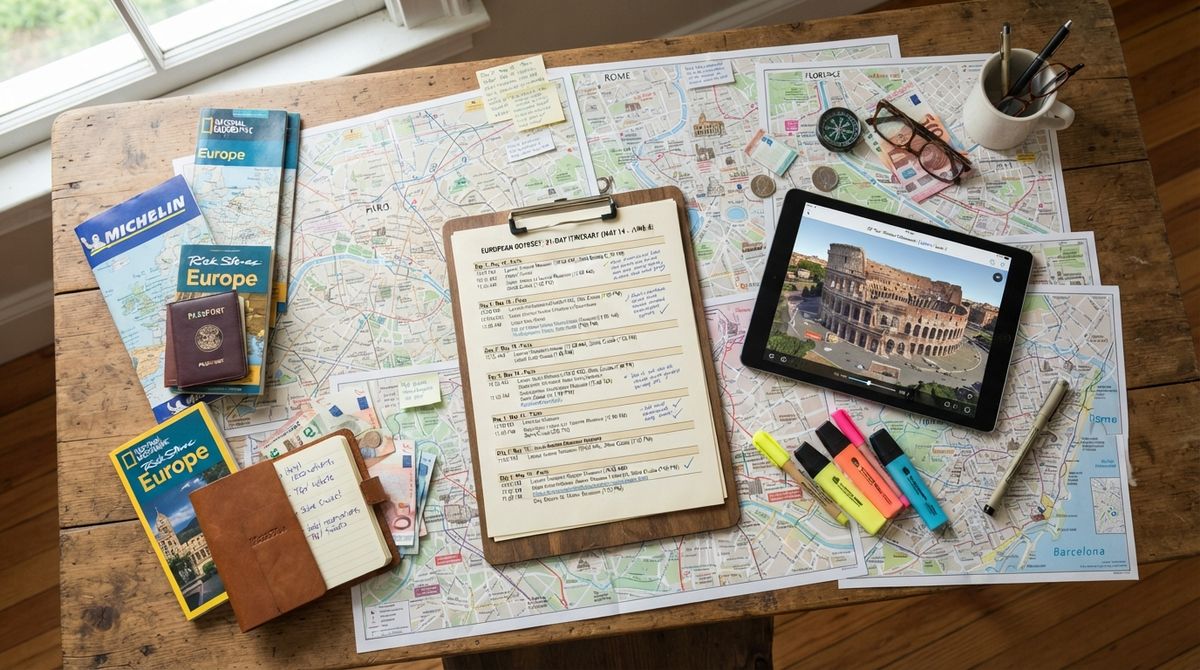
Independent travel agencies and tour design firms face a shifting marketplace where modern travelers increasingly look beyond standardized vacation itineraries. Clients now search for memorable encounters, unique landscapes, and seamless hospitality that reflect personal interests. For entrepreneurial tour planners, developing curated travel packages provides a sustainable path to differentiate a brand, foster loyal client relationships, and build dependable partnerships with service providers across diverse regions.
Creating specialized travel packages requires careful coordination between lodging providers, ground transport teams, and regional experts. Successful package design is not about packing every hour with activities. Instead, it centers on establishing a cohesive journey that balances scenic exploration with restful downtime, ensuring clients feel supported throughout their entire trip.
Identifying Distinct Regional Highlights and Niches
Every compelling travel package begins with a distinct geographic or thematic hook. Rather than attempting to serve every category of vacationer, successful business owners focus on specific niches, such as coastal relaxation, cultural immersion, or ecological discovery. Defining this identity helps guide every operational decision, from initial marketing outreach to selecting local partners on the ground.
When assembling itineraries that center on island exploration, nature tours, or remote coastal environments, business owners must study regional geography thoroughly. Researching reliable destination portals like naturefocusthailand.com enables tour organizers to understand seasonal highlights, terrain characteristics, and unique natural landmarks before establishing commercial agreements with local guides. Having this foundational knowledge ensures that client schedules remain realistic and enjoyable.
Tour designers should also look for distinctive regional activities that cannot be easily replicated by standard booking platforms. Whether arranging guided walks through protected coastal parks, boat charters to secluded coves, or private culinary tastings featuring indigenous ingredients, these focused activities provide the authentic value that modern clients expect from professional travel curators.
Engaging with local communities also provides practical advantages for travel companies. When independent operators consult with resident craftspeople, regional historians, and conservation advocates, they uncover lesser-known attractions that standard commercial tours overlook. This collaborative approach enriches the traveler’s experience while distributing economic benefits directly to the host region, strengthening community goodwill for future tours.
Evaluating On-Site Accommodations and Hospitality Standards
Lodging serves as the emotional anchor of any vacation package. When clients return from a day of sightseeing or outdoor excursions, the comfort, cleanliness, and ambiance of their accommodations shape their overall impression of the trip. Travel entrepreneurs must carefully vet every hotel, lodge, or resort to verify that daily service matches the expectations set during the sales process.
Scenic appeal and architectural charm play a major role in creating memorable guest impressions. For luxury and leisure itineraries, properties like Santorini-Resort illustrate how breathtaking ocean views, attentive hospitality, and serene architectural design combine to offer an environment where guests can truly unwind. Incorporating properties with strong visual identities and dependable service standards elevates the perceived quality of the entire itinerary.
Business owners should evaluate properties using clear criteria, including front-desk responsiveness, hygiene standards, dining quality, and noise management. Visiting candidate properties in person or conducting comprehensive reviews with trusted local representatives helps prevent unpleasant surprises that could compromise your brand reputation.
Another critical consideration is matching property capacity with tour group size. Booking an intimate lodge for a small private family group creates an exclusive, personal atmosphere, whereas larger boutique properties may offer more flexible dining schedules and broader recreational amenities. Understanding how property scale affects guest privacy enables agency owners to make recommendations that align with specific traveler preferences.
Aligning Operational Logistics with Guest Expectations
A well-planned package must function seamlessly behind the scenes. Logistics represent the backbone of the client experience, connecting arrival flights to ground transport, hotel check-ins, scheduled activities, and return journeys. Even minor scheduling oversights can generate unnecessary stress for travelers, eroding their confidence in your agency.
Establishing clear communication lines between your office and lodging operators is critical for managing arrivals and special requests. Gaining a practical understanding of managing boutique accommodations for modern global travelers helps tour coordinators anticipate staff workflows, room preparation timelines, and concierge limits. This awareness allows planners to build realistic buffers into arrival schedules, preventing awkward waiting periods for tired guests.
Ground transportation choices deserve equal attention during itinerary development. The quality of private transfer vehicles, driver familiarity with regional routes, and the availability of child seats or luggage space all impact guest comfort immediately after arrival. Testing transfer routes during peak traffic hours helps managers establish reliable transfer timetables, preventing unnecessary delays between airport terminals and hotel check-in desks.
Detailed pre-departure packets also enhance client peace of mind. Providing guests with comprehensive digital or printed itineraries that include daily schedules, dress recommendations, emergency contact details, and local customs helps set appropriate expectations. When travelers know what to anticipate each day, they can relax and immerse themselves fully in the experience.
Structuring Collaborative Vendor Agreements
Reliable supplier relationships form the foundation of any enduring travel enterprise. As a tour designer, your business depends heavily on third-party drivers, local guides, activity organizers, and venue hosts. Establishing formal, transparent agreements ensures that all parties understand their responsibilities and compensation structures.
When drafting partnership agreements with local vendors, clarity is essential for avoiding misunderstandings during peak operational periods. Business owners should define operational protocols and dispute processes well before the first client arrives at the destination.
- Direct communication protocols for real-time schedule adjustments
- Safety standards, liability coverage, and local licensing confirmations
- Cancellation, refund, and weather-related contingency terms
- Established payment schedules and reservation deposit milestones
Regularly reviewing vendor performance keeps service quality consistent. Business leaders should schedule periodic check-ins with key partners to discuss operational feedback, resolve recurring friction points, and explore new collaborative ideas for upcoming travel seasons.
Gathering Feedback to Refine Itineraries and Build Loyalty
Post-trip follow-up provides essential business intelligence for travel entrepreneurs. While on-site reviews give an immediate snapshot of guest sentiment, structured post-travel conversations reveal deeper insights into itinerary pacing, guide knowledge, and accommodation satisfaction. This data allows agency leaders to make informed adjustments before launching subsequent package offerings.
Developing a standardized feedback questionnaire helps uncover subtle service gaps that might otherwise go unnoticed. Asking specific questions about transfer punctuality, meal quality, and leisure time allows your team to pinpoint which elements exceeded expectations and which required unnecessary effort from the traveler.
Client relationships should not end when travelers return home. Sharing curated destination updates, personalized photo books, or advance previews of upcoming travel concepts keeps your agency at the top of their minds. By continuously refining your offerings based on real guest feedback, your business can build an enduring reputation for excellence in specialized travel design.