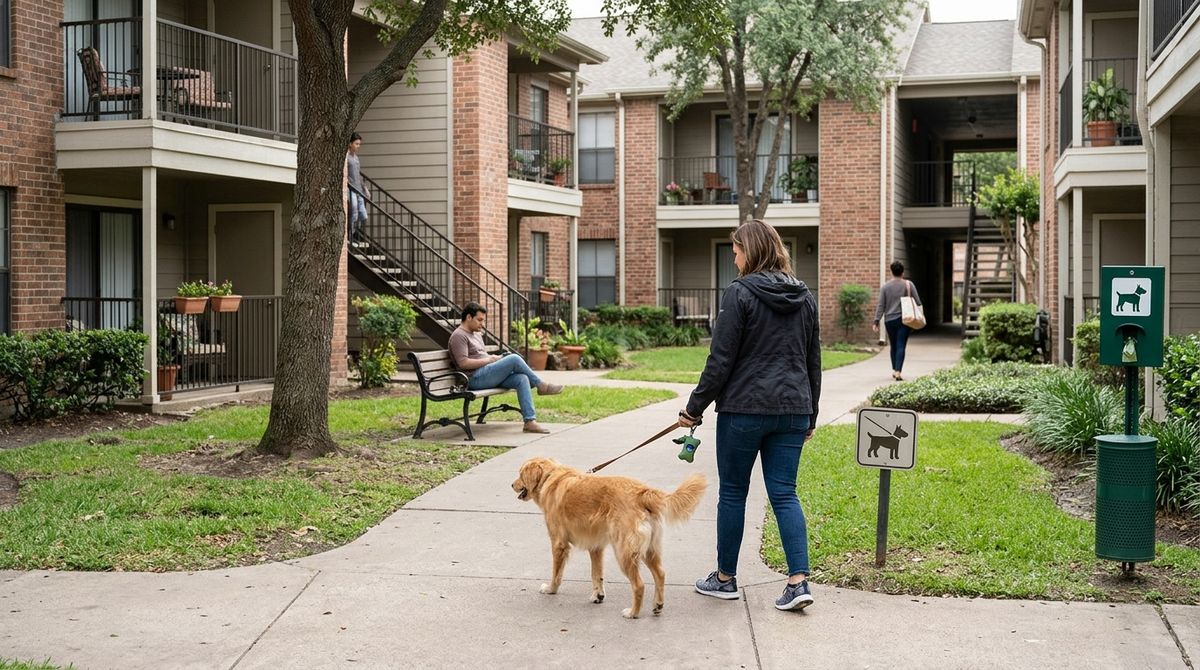
Walking is one of the most accessible ways to stay active, and it requires little more than comfortable shoes and a route worth following. Many adults over fifty mean to walk more, yet the habit often fades after a few enthusiastic weeks. A realistic plan, built around your schedule and your comfort, makes a lasting difference. This article offers a checklist-based approach for starting a walking habit that feels pleasant rather than punishing, with practical advice on pacing, safety, and motivation.
Set a Modest Starting Point
Begin with a walk that feels easy, perhaps a short loop around the block or a few minutes along a quiet street. The aim is to build a routine, not to test your endurance on the first day. Many people find that a gentle start prevents soreness and reduces the temptation to quit after a tiring outing. As the routine settles, you can add time or distance at a pace that feels comfortable. Readers may also want to visit Edmentum.
Think about when you are most likely to walk. Some people prefer early mornings, when streets are quiet, while others enjoy an evening stroll after dinner. Attach your walk to something you already do, such as collecting the post or making a morning drink, so the habit becomes part of your daily rhythm rather than an extra task.
Choose Safe and Comfortable Routes
A good route is well lit, has a smooth surface, and offers places to rest. Look for pavements or paths that are free from loose stones, broken edges, and roots. Parks and quiet residential streets often suit new walkers well. Plan a route with a few benches or shaded spots, and make sure you know where public restrooms are located if you walk for longer periods.
Dress for the weather and for your feet. Supportive shoes with good grip help prevent slips, especially on damp or leaf-covered paths. Carry water on warm days, and consider a light layer for cool mornings. Choose a route with a few places to sit, so that a short rest never feels far away. A small bag with a phone, a card with your address, and a few coins can be helpful if you ever need assistance or a taxi home.
Before you begin, use this checklist:
1. Choose a route you can walk comfortably at a relaxed pace.
2. Pick two or three times each week that fit your routine.
3. Check your footwear for grip, support, and fit.
4. Tell someone your planned route and expected return time.
Build Motivation Gently
Motivation tends to be strongest in the first few weeks, and it can dip later. Plan for that dip rather than fighting it. Keep a simple log of your walks, noting the date, the route, and how you felt afterward. Seeing a pattern of regular outings can provide quiet encouragement when enthusiasm fades. You can also visit Where the young learn to fly for more reading.
Walking with a friend or a local group can add social enjoyment and a sense of commitment. Conversation makes the time pass pleasantly, and a regular meeting point gives you a reason to show up. If you prefer solitude, consider listening to a favorite radio program or simply noticing the sights and sounds around you. Mindful attention to the environment can make a familiar route feel fresh every time. Changing the direction you walk each week can also keep a familiar loop interesting.
Listen to Your Body
Walking should feel energizing rather than painful. Mild tiredness is normal, but sharp pain, dizziness, chest discomfort, or unusual shortness of breath are signs to stop and seek advice from a qualified health professional. People with existing health conditions should talk with their doctor before starting a new exercise plan, and they should follow any guidance they have been given about pace and duration.
Rest days matter too. Your body needs time to recover, especially in the early weeks. Some people alternate walking days with gentle stretching or simple balance exercises. Keep an eye on how your feet, knees, and hips feel the next morning, and adjust your pace or route if something seems off. A short note about how you felt can help you spot patterns over several weeks. For a related read on this site, see Setting Up a Shared Calendar for Family Members.
A walking habit is most likely to last when it feels pleasant, safe, and flexible. Start with a modest plan, choose routes you enjoy, keep track of your progress, and respect your body’s signals. Over time, the daily walk can become one of the most reliable pleasures in your week, offering fresh air, gentle movement, and a clear mind.