Adventure tourism continues to attract modern travelers who prioritize active outdoor experiences over passive sightseeing. For entrepreneurs, establishing an excursion enterprise offers a compelling way to connect visitors with natural landscapes while building a viable service company. However, turning a passion for outdoor exploration into a resilient commercial venture requires strict operational discipline, sound resource allocation, and a structured approach to risk management.
Operating a guided tour company involves far more than leading groups across scenic routes. Founders must oversee specialized vehicle maintenance, establish rigorous safety procedures, navigate fluctuating seasonal demand, and mentor knowledgeable field staff. By balancing logistical precision with high standards of customer care, tour operators can protect their operating margins while delivering safe, memorable excursions that foster lasting word-of-mouth advocacy.
Grounding Excursions in Regional Knowledge and Cultural Context
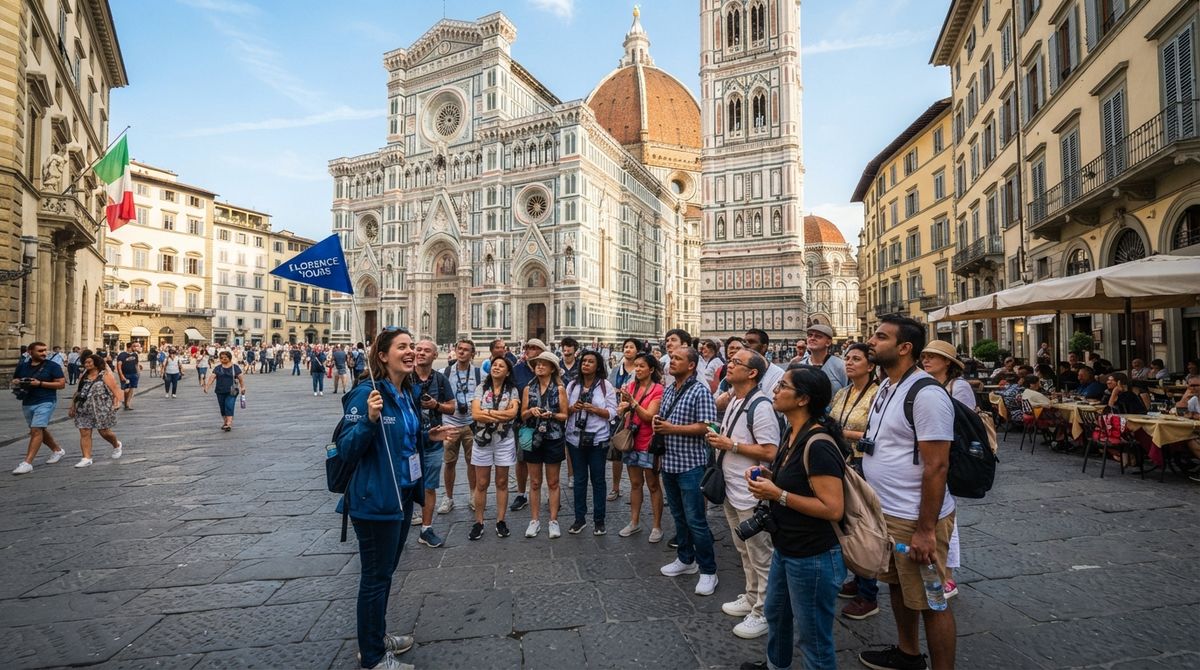
Exceptional adventure tours distinguish themselves by offering meaningful storytelling alongside physical exploration. Travelers frequently choose guided excursions because they want to understand local ecosystems, geological features, and historical landmarks on a deeper level. Tour operators who prioritize comprehensive training in regional geography and cultural history cultivate stronger reputations and earn greater client trust across the industry.
Creating an internal knowledge curriculum ensures that every guide presents accurate, engaging information throughout the journey. Operators who encourage their staff to study global geography and regional history can deliver far richer commentary on the ground. Researching broader cultural contexts through resources like worldatlasbook.com helps tourism founders instill genuine cultural appreciation and geographical awareness across their guiding staff. When team members can explain the natural forces that shaped a valley or the traditional heritage of a mountain community, an ordinary excursion becomes an enriching educational experience.
Route planners must also build professional relationships with regional land managers, conservation officers, and local residents. Obtaining proper commercial permits and honoring land-use agreements protects the enterprise from sudden access disruptions. Regular communication with local community leaders ensures that tour activities respect resident privacy and contribute positively to regional preservation efforts over extended operating horizons.
Managing Fleet Logistics and Specialized Outdoor Equipment
For many outdoor excursion ventures, motorized vehicles and specialized trail machinery represent the largest capital investment and the most critical operational dependency. Whether a company operates passenger vans, open-air shuttles, or rugged trail transports, vehicle reliability directly impacts client satisfaction and business viability. An unexpected mechanical breakdown in a remote area disrupts schedules, inflates recovery costs, and undermines guest confidence.
Instituting a proactive preventative maintenance schedule is vital for any business operating in demanding terrain. Specialized operators such as grenadajeeptours.com demonstrate how dedicated off-road vehicles and well-maintained fleets can open up rugged island terrain while maintaining customer comfort and high mechanical reliability. Conducting daily inspections, monitoring tire pressure, checking vital fluids, and scheduling routine mechanical overhauls prevents minor component wear from escalating into expensive trailside failures.
Beyond transport vehicles, outdoor businesses must maintain strict control over secondary field gear, including recovery winches, communication radios, first aid kits, and passenger safety equipment. Implementing standardized gear logs ensures that equipment is inspected, cleaned, and inventoried after every trip. Storing gear in organized, climate-controlled depot facilities protects sensitive electronics and hardware from environmental degradation, extending equipment lifespans and reducing replacement expenses.
Supply chain management for spare parts also demands careful foresight, especially for firms running excursions in isolated geographic regions. Sourcing specialized suspension components, heavy-duty tires, and drive belts before high-traffic periods arrive prevents prolonged vehicle downtime. Establishing accounts with regional automotive distributors ensures that essential components remain readily accessible when emergency repairs arise during peak operating cycles.
Designing Comprehensive Safety and Emergency Response Protocols
Safety represents the fundamental foundation of every sustainable outdoor tour company. Although adventure travelers seek excitement, they expect the operator to manage environmental hazards competently behind the scenes. A single unaddressed safety incident can lead to reputational damage, elevated insurance premiums, or the loss of municipal operating permits.
A proactive safety posture begins with thorough route assessments. Management should document potential trail hazards, seasonal flash flood risks, narrow mountain passes, and stretches where mobile reception is unreliable. Establishing standardized operating thresholds for adverse weather conditions helps guides make objective decisions about when to modify routes or cancel trips. Clear guidelines eliminate guesswork and protect staff from customer pressure to proceed in unsafe environments.
Hands-on staff training transforms safety guidelines into dependable field habits. Tour operators should conduct periodic emergency response exercises, including simulated vehicle recoveries, trailside medical management, and passenger communication protocols. Equipping every lead guide with reliable satellite communication devices ensures that field teams can contact base operations and regional emergency services even when conventional networks fail.
Diversifying Revenue Through Group Bookings and Corporate Clients
Relying exclusively on individual retail travelers can leave an adventure business vulnerable to seasonal downturns and fluctuations in consumer spending. Expanding commercial efforts to include private group reservations, educational institutions, and corporate team outings creates predictable booking volume that stabilizes cash flow across diverse operating periods.
Corporate organizations routinely seek structured outdoor experiences that encourage team cohesion, active problem-solving, and shared accomplishment outside conventional work environments. When reaching out to corporate clients, adventure tour operators should align their offerings with organizational goals, taking cues from proven frameworks for structuring cost-effective corporate retreats for teams to build packages that deliver measurable value without administrative headaches. Tailoring excursion itineraries to accommodate diverse physical abilities ensures that every team member can participate comfortably.
Contracting with corporate and private groups also improves operating efficiency. Securing private bookings allows managers to assign staff and equipment with greater lead time, reducing idle fleet capacity. Furthermore, group sales lower client acquisition overhead by consolidating multiple passenger bookings under a single administrative agreement.
Establishing Daily Operational Standards for Sustainable Growth
As an adventure tourism company scales its vehicle fleet and expands its roster of guides, maintaining consistent service delivery becomes difficult without formal operating procedures. Documenting core processes ensures that every guest experiences the same high level of professionalism, regardless of which guide leads the expedition.
Structuring daily routines around disciplined operational checkpoints keeps field teams aligned and focused on quality execution:
- Conduct morning briefings to review weather forecasts, trail conditions, and individual passenger considerations before departure.
- Complete pre-trip mechanical check-sheets covering brakes, steering linkages, tire condition, and mandatory safety gear.
- Maintain scheduled communication check-ins with base dispatch at predetermined trail waypoints to monitor trip progress.
- File post-trip operational reports documenting equipment performance, trail maintenance observations, and client feedback.
Enforcing these routine practices gives field personnel the structure needed to resolve minor complications independently. When guides understand expectations and possess clear guidance, they handle challenges smoothly, freeing business owners to focus on strategic development, vendor relations, and long-term commercial growth.
Investing in guide retention is equally crucial for sustaining operational consistency. Frontline guides embody the brand, handle client interactions, and safeguard operational standards in the field. Providing fair compensation, continuing outdoor education, and clear pathways for internal advancement encourages experienced personnel to build long-term careers within the business, preserving valuable institutional knowledge.
Building a durable guided adventure business requires a harmonious balance between operational rigor and authentic outdoor passion. By maintaining reliable equipment, emphasizing cultural and geographic literacy, enforcing strict safety protocols, and diversifying revenue streams, entrepreneurs can create a sustainable tourism enterprise. A commitment to methodical daily execution enables tour companies to deliver exceptional client journeys while building enduring enterprise value.