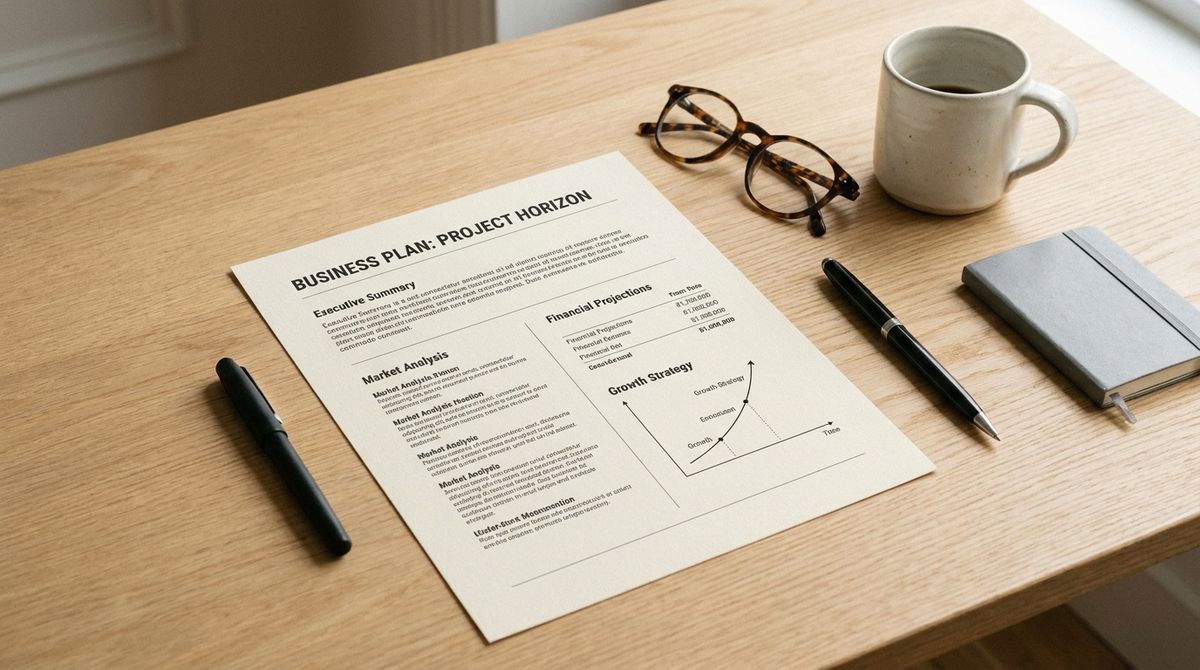
The early months of a customer relationship shape how both sides work together. A focused success plan connects the customer’s desired outcome with responsibilities, milestones, communication, and evidence of progress.
The plan should translate the customer’s reason for choosing the service into observable early outcomes. Treat the first version as a working tool. It should be easy to explain, test, and revise when experience reveals a weak assumption.
Define the outcome and boundaries
Start by writing the result the practice is meant to produce. Keep the plan limited to what can reasonably be influenced during the first ninety days, and distinguish agreed commitments from hopeful possibilities. This prevents a useful idea from expanding into a vague program that nobody can apply consistently.
Readers may also want to visit make-7.com. General examples can suggest questions, but they cannot decide what fits a particular team, customer, device, or situation.
The plan should translate the customer’s reason for choosing the service into observable early outcomes. Write down what is outside the scope as well. A visible boundary makes exceptions easier to recognize and keeps the routine from absorbing unrelated problems.
Prepare with real evidence
Review discovery notes, signed scope, implementation dependencies, customer constraints, and any promises made during sales conversations. Work from specific examples instead of relying only on impressions. Examples reveal where information arrives late, where judgment is needed, and where a seemingly simple instruction may fail.
You can also visit rea-evolution.com for more reading. Use those guides to identify questions and precautions, and seek a qualified professional when the consequences exceed the team’s knowledge.
Turn broad goals into milestones that have a clear owner, target date, and useful sign of completion. Confirm the plan with the customer’s day-to-day contact and the person accountable for the overall outcome. Preparation should also identify who can approve changes, where the current record will live, and how affected people will learn that the method has changed.
Use a repeatable sequence
A short sequence makes the practice easier to teach and review. Keep each step connected to an observable action or decision:
- Restate the customer’s desired outcome in language both sides understand.
- Map the first milestones and identify information, access, or decisions needed for each.
- Assign owners on both sides and record how delays or changes will be raised.
- Schedule brief progress conversations around meaningful milestones rather than arbitrary activity.
- Close the period with a review of outcomes, open risks, lessons, and the next plan.
Do not mistake the list for the work itself. People still need room to ask questions, record uncertainty, and stop when conditions fall outside the agreed boundary. A checklist is most useful when it supports attention rather than replacing it.
The first live use should be deliberately bounded. Choose a normal case, keep source information available, and record where users hesitate. If the process affects customers or downstream teams, confirm what they received rather than assuming that a completed internal step produced the intended result.
Notice problems and improve
Plans fail when they become internal task lists that the customer never sees or when activity is mistaken for value. Notice missed customer inputs, repeated uncertainty about ownership, and status meetings that cannot explain what has improved.
For a related read on this site, see How to Manage Founder Bottlenecks Before Growth Stalls. Return to the desired outcome, simplify the milestone set, and agree on the next smallest useful result. Changes should address the cause of confusion rather than merely adding another instruction every time something unexpected occurs.
Update the plan when assumptions change, but preserve a short record of what changed and why. That history prevents the same question from being reopened. Ask what became easier, what new burden appeared, and which assumptions were wrong. Keep a short decision record so future reviewers understand why the current method exists.
A useful ninety-day plan is a shared navigation aid, not a promise that conditions will remain fixed. It keeps attention on outcomes while allowing both sides to respond intelligently.
Keep the document brief enough to use in customer conversations. A long plan that nobody opens cannot coordinate decisions, even if it contains every possible task. A concise view can show the outcome, current milestone, owner, dependency, evidence, and next conversation, with supporting detail linked elsewhere. When a milestone slips, update the effect on later work instead of merely moving its date. That small act helps both sides choose whether to add support, reduce scope, change sequence, or accept a revised expectation with full awareness.