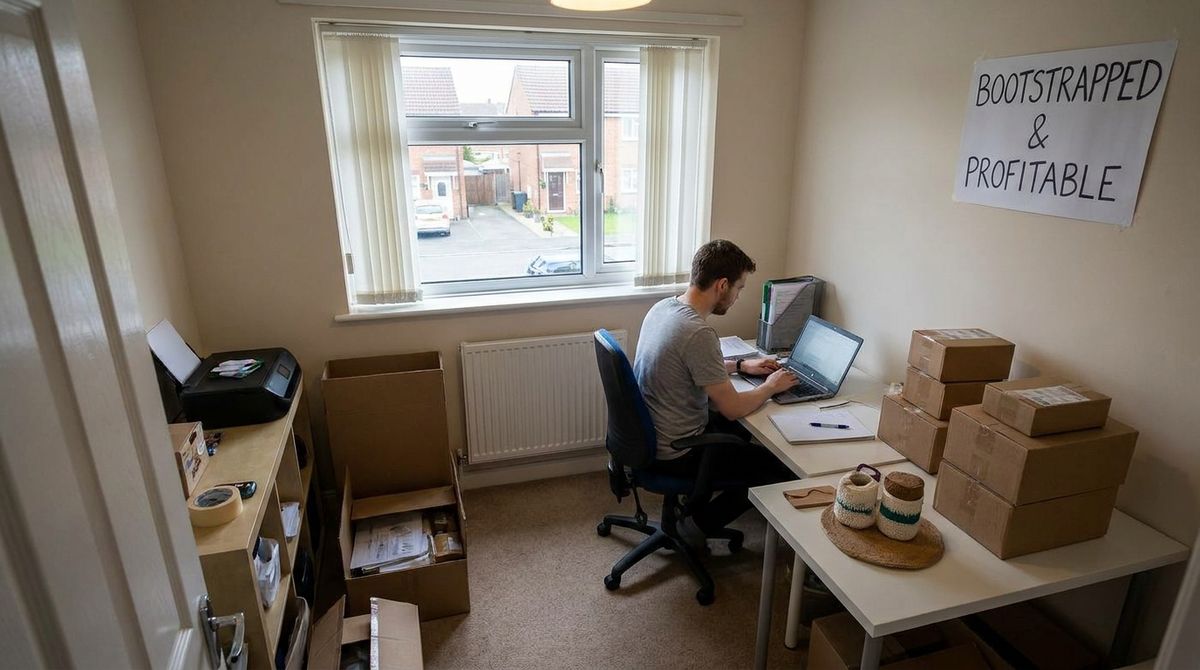
Many independent service businesses start with personal networks and recommendations. A carpenter finishes a remodel, a neighbor sees the craftsmanship, and another contract follows. A bookkeeping service gains momentum because two local retail owners share notes over coffee. While personal recommendations provide a strong foundation, relying solely on spontaneous outreach can leave your schedule unpredictable.
When owners decide to organize their client pipeline, they often worry about losing that personal touch. They envision complicated software suites, expensive consultant fees, or sterile automated messages that irritate longstanding clients. Fortunately, creating a dependable digital pipeline does not require enterprise technology. It simply means removing unnecessary friction between a customer who needs help and the business ready to deliver it.
Mapping the Path from First Contact to Booking
Before adding forms or updating your website, look closely at how a customer currently hires your business. In many small companies, a prospect calls while the owner is on a job site. The owner cannot answer, so the caller leaves a voicemail. Days later, phone tag begins. By the time both parties connect, the customer may have already hired someone else who answered on the first ring.
A clear intake path prevents these lost opportunities. The goal is to give interested clients a reliable, self-directed way to provide project details without waiting for business hours. When someone lands on your contact page, they should immediately see what information you need to evaluate their request and how quickly they can expect a response.
Physical outreach tactics teach similar lessons about clear direction. Entrepreneurs who have spent mornings setting up tables at community events—an approach explored in our earlier guide on promoting a stall at a weekend craft fair—know that visitors pass by when signage is confusing. Online visitors behave the same way. If your intake process requires multiple confusing steps and vague instructions, potential clients simply click away.
Turning Web Visits into Direct Conversations
Having a website is rarely enough on its own. Many small business websites act like digital business cards that sit forgotten on the internet. To transform a static page into an active pipeline, every page must encourage a specific conversation.
Start by addressing the basic questions every client brings. Explain the specific geographic area you serve, the types of projects you take on, and your general scheduling availability. When clients understand your scope immediately, you spend less time turning down jobs that fall outside your expertise.
Attracting the right audience also requires deliberate marketing rather than passive waiting. Resources like WebWooky offer practical guidance on how small operators can leverage their online presence to draw steady interest and build lasting trust. Instead of shouting across crowded social networks, focus your promotional energy on answering the practical questions your target customers are already asking.
Clear calls to action tie this awareness directly to your schedule. Instead of a generic contact button, invite visitors to request an estimate, schedule a discovery conversation, or download a project planning sheet. Giving people a specific next step makes taking action feel natural rather than intimidating.
Staying Current with Evolving Online Habits
Customer expectations shift constantly as digital communication evolves. A communication method that felt standard a short while ago may now feel slow or inconvenient to modern clients. Today, many homeowners and commercial clients prefer submitting an online form with photos of their project rather than waiting for an in-person assessment.
Small business owners do not need to adopt every emerging technology platform to stay competitive. However, maintaining general awareness of digital habits prevents your company from falling behind. Exploring educational hubs like Digitallard.com provides useful updates on how modern digital citizens interact, communicate, and navigate online services. Staying informed helps you select tools that actually benefit your customers rather than adding unnecessary complexity.
When evaluating any new digital tool, focus on simplicity. If a software solution requires weeks of staff training or confuses your clients, it defeats the purpose of modernization. The best tools work quietly in the background, allowing you to focus on delivering quality service.
Organizing Follow-ups Without Creating Chaos
Once inquiries begin arriving through digital channels, the true challenge becomes consistency. A rapid response often matters more than an elaborate proposal. Establishing an orderly workflow ensures that no prospective client falls through the cracks during busy workweeks.
To manage incoming leads effectively, consider implementing a standardized response pattern:
- Send an immediate acknowledgment confirming receipt of the project request.
- Gather critical project specifications using a concise intake questionnaire.
- Reserve dedicated blocks during the workday to review submissions and call clients.
- Provide a clear written summary detailing scope and agreed next steps after every call.
Standardizing these steps removes the guesswork from daily administration. When you handle initial inquiries with a consistent system, your prospective clients perceive your company as professional, dependable, and organized before work even begins.
Protecting Your Focus While Growing Your Reach
An active digital pipeline can easily become overwhelming if you do not establish healthy operational boundaries. When inquiries arrive through website forms, direct messages, and email around the clock, business owners often feel pressured to respond at all hours. This reactive mindset quickly leads to fatigue and distracts from core client work.
Set clear communication windows and post them prominently on your confirmation notices. If your team reviews incoming inquiries twice each weekday, state that clearly on your contact page. Most customers appreciate knowing exactly when they will hear from you, and setting expectations eliminates the urge to check notifications during family dinners or late evenings.
Batching administrative tasks preserves mental clarity. Dedicate an hour in the morning and an hour in the late afternoon to review project submissions, send estimates, and update client records. Protecting the middle of your day for hands-on production or client service ensures that pipeline growth does not compromise the quality of your finished work.
Building Long-Term Value Through Systematic Habits
A reliable intake pipeline is not built overnight, nor does it require complete digital reinvention. By replacing scattered phone messages with structured inquiry forms, keeping informed about digital customer expectations, and enforcing steady daily habits, you create an operational backbone that supports sustainable business growth.
As your systems mature, you will find that your business spends less time chasing disorganized leads and more time working with clients who value your craft. Taking small, deliberate steps toward an organized digital workflow gives you the freedom to build a resilient company that thrives for years to come.