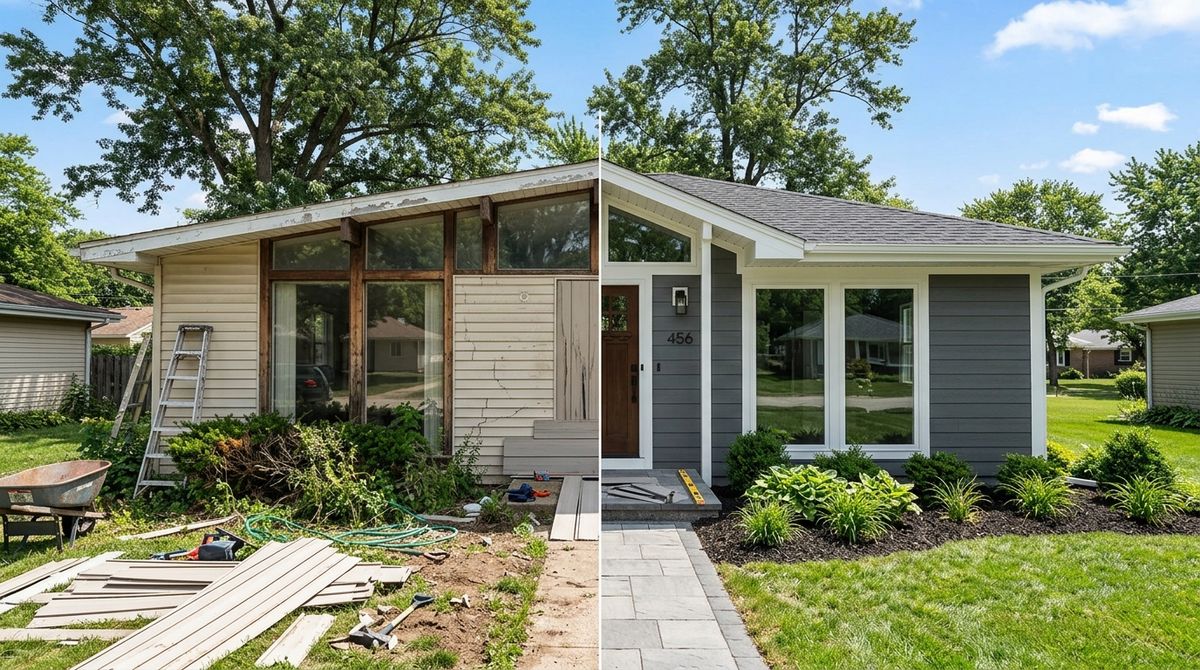
Managing a residential rental portfolio requires far more than simply buying a property and collecting monthly checks. For independent landlords and real estate entrepreneurs, the primary driver of steady cash flow is tenant retention. Frequent turnover drains operational capital through vacant intervals, repeated marketing expenses, administrative onboarding, and routine cleaning cycles. Finding ways to encourage long-term residency is one of the most reliable strategies for stabilizing a small real estate business.
When property owners focus on deliberate upgrades that genuinely improve day-to-day comfort, they attract conscientious residents who treat the living space with care and renew their leases. Upgrading a rental unit does not require high-end luxury finishes or complex structural overhauls. Instead, practical investments in durability, utility management, and functional layouts can turn an ordinary rental into a welcoming home that residents hesitate to leave.
Focusing on Practical and Sustainable Home Improvements
Modern tenants increasingly value environmental efficiency, both to minimize ecological waste and to reduce everyday utility bills. When preparing a property between occupants, small business owners should prioritize updates that curb energy losses and conserve water without creating complicated maintenance obligations.
Simple modifications such as weatherstripping doors, installing dual-flush plumbing valves, and adding low-flow faucet aerators can decrease household water waste and lower recurring heating burdens. Property managers seeking sensible ideas on eco-friendly fixtures and everyday conservation methods can consult resources on Greenrenters.org to discover how modest home enhancements encourage sustainable living habits while keeping overhead low.
Sustainable improvements also safeguard the physical structure of the property over time. High-efficiency fixtures place less physical stress on internal plumbing lines, while tightly sealed windows and doors prevent outside moisture from infiltrating walls. Selecting low-emission paints and durable flooring made from renewable materials improves indoor air quality and creates an immediate positive impression during initial property viewings.
Aligning Unit Features with Modern Market Demands
Before ordering materials or hiring contractors, landlords should examine how residential needs have evolved. Today, residents spend considerably more time inside their homes for remote professional tasks, personal projects, and family gatherings. As a result, functional utility and thoughtful space utilization often matter far more to prospective renters than purely decorative upgrades.
Consider how dedicated functional spaces can be created within existing floor plans. A quiet corner equipped with ample power outlets and pleasant natural lighting can serve as a dependable workstation. Similarly, upgrading closet storage by adding modular shelving, hanging rods, and pull-out organizers makes a modestly sized residence feel spacious and uncluttered.
Property investors can assess contemporary residential preferences and appealing structural layouts by observing listings on idreamhomez.com to see the specific design touches and living arrangements that current home hunters find attractive. Recognizing which amenities capture buyer and renter interest enables housing providers to introduce comparable functional enhancements that set their properties apart from generic competitors.
Managing Renovation Schedules and Supply Bottlenecks
One of the most persistent operational risks in rental property management is renovation timeline creep. Every additional week a unit sits unoccupied during an upgrade represents lost rental income that cannot be recovered. Business owners must manage property turnovers with clear scheduling discipline and rigorous monitoring of contractor activities and building supplies.
Project delays frequently happen when essential renovation materials, such as custom cabinetry, tile shipments, or specialized heating components, arrive behind schedule. Independent landlords who oversee their own maintenance crews need an organized method for identifying delays before work halts completely. Applying strategic concepts such as early-warning systems for delivery risks helps project managers identify supplier bottlenecks early enough to find alternate vendors or adjust trade schedules.
Maintaining honest communication with skilled tradespeople is equally essential. Request realistic completion milestones from carpenters, electricians, and painters before establishing formal move-in dates for new occupants. Adding a small buffer into the renovation timeline avoids the stressful scenario of handing over keys while workers are still finishing trim work or touching up wall paint.
Establishing a Repeatable Maintenance Inspection Checklist
Consistency separates disorganized landlords from sustainable rental enterprises. Rather than addressing property conditions haphazardly, create a standardized inspection checklist to evaluate essential systems during every vacancy. A systematic walk-through ensures that minor component wear does not escalate into costly emergency calls during the tenancy.
Executing regular evaluations allows property managers to identify hidden problems before an occupant moves in. Focus on inspecting the following core residential components during turnover:
- Test smoke alarms, carbon monoxide detectors, and fire extinguishers to verify functional batteries and operational sensors.
- Inspect plumbing supply lines under bathroom and kitchen sinks, around water heaters, and behind laundry equipment for slow drips or corroded fittings.
- Check exterior door latches, deadbolts, and window locks to verify security and tight weather seals against exterior drafts.
- Clean ventilation duct registers and replace air filters to maintain efficient airflow and protect heating and cooling units.
- Test electrical wall receptacles, light switches, and ground-fault circuit interrupters in kitchens, bathrooms, and utility areas.
Documenting each completed inspection with concise notes and dated photographs provides a transparent record of the unit condition. This proactive documentation establishes mutual trust, reduces disagreements regarding security deposits, and demonstrates that the business takes maintenance responsibilities seriously.
Building Lasting Tenant Relationships from Day One
Physical upgrades and diligent maintenance provide the structural foundation for tenant satisfaction, but professional communication solidifies long-term retention. The onboarding experience sets expectations for the entire lease term. When residents encounter attentive, organized management from the moment they arrive, they are more inclined to treat the residence with respect and report maintenance issues promptly.
Provide incoming occupants with a practical welcome packet that details the operational features of the home. Explain where the primary water shut-off valve is located, how to reset tripped electrical breakers, how to operate thermostats efficiently, and how local waste collection operates. Giving residents clear operational guidance prevents accidental damage and removes common moving-day frustrations.
Finally, respond to routine repair requests with consistent professionalism and promptness. When property managers address small maintenance inquiries respectfully and without unnecessary delay, residents feel valued and secure in their living environment. This steady reliability transforms a standard rental agreement into a collaborative, multi-year relationship that protects your rental venture from unnecessary turnover and revenue loss.