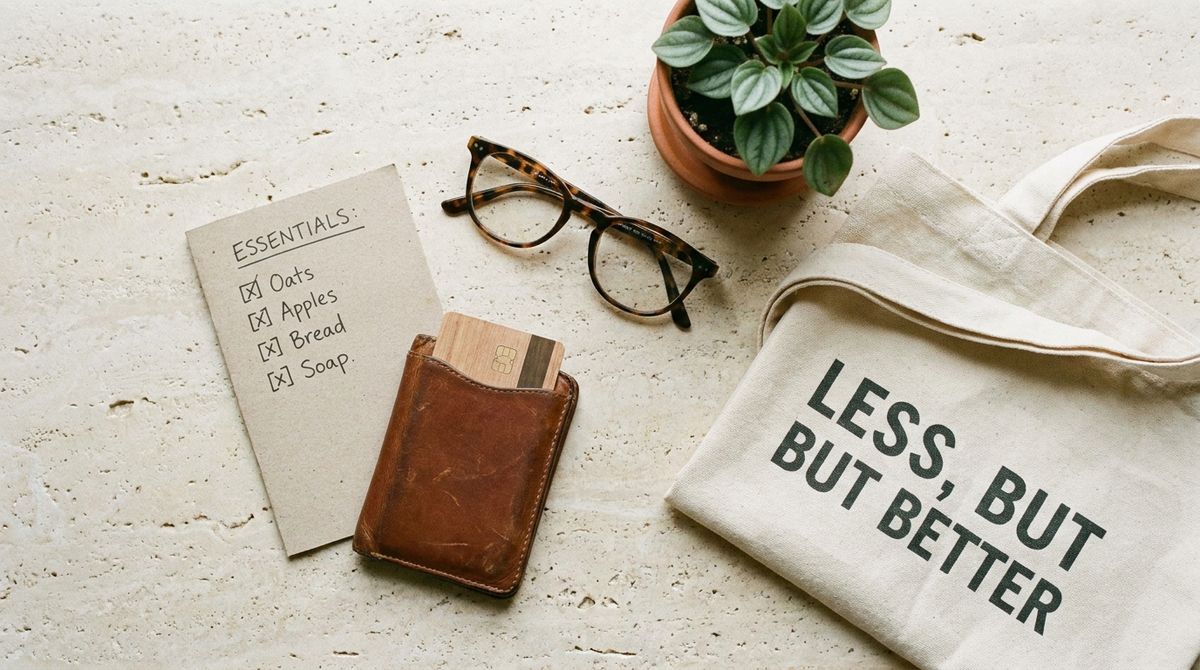
A pantry price notebook records the normal cost, package size, and buying rhythm of a small group of household staples. It can help shoppers recognize a genuine good value without memorizing every shelf label. The method works best when it supports a meal plan and storage limits, not when it encourages buying simply because something appears discounted.
Choose foods and household goods that your family uses repeatedly. There is little value in tracking dozens of items bought once a year. The notebook can be paper or digital, but it should be easy to consult in the shop and simple enough to update.
Start with a short useful list
Select common items that vary in price or package size and that can be stored safely. Record the exact product type only when differences matter; otherwise, use a flexible category such as canned tomatoes or plain oats. Note acceptable substitutes so the list does not turn into brand loyalty by accident.
Collect observations across ordinary shopping trips. Readers may also want to visit Build Green Atlantic. Online and in-store offers may differ.
Include the date, shop, package size, total price, and unit comparison. Also note whether a loyalty requirement, quantity condition, or limited promotion affected the price.
Compare like with like
Convert prices to a common unit only when the products are genuinely comparable. A lower cost per weight may not be better if the food has a different concentration, usable yield, quality, or storage life. For paper goods or cleaning products, performance can matter as much as count.
Use this entry checklist:
- Item description and any feature that affects use.
- Package quantity, weight, or volume.
- Shelf price and required promotion conditions.
- Comparable unit cost, calculated consistently.
- Purchase date and store.
- How long the item usually lasts in your household.
You can also visit lunaticconstruction.com for more reading. The notebook provides general shopping information; it does not replace dietary, medical, or financial advice.
Set a personal value range
After several observations, identify a typical range rather than declaring one permanent “best price.” Costs change, and an old low price can become an unrealistic anchor. Mark the amount at which buying one extra might make sense, provided the household will use it before expiry and has suitable storage.
Use the notebook alongside a current list. For a related read on this site, see A Purchase Record System for Returns and Warranties. Include transport, delivery fees, membership requirements, and time when comparing stores.
Avoid building a stockpile that hides waste. The cheapest unit is expensive when half of it spoils, takes space needed for essentials, or requires borrowing to buy. Set maximum quantities based on actual use and rotate older items forward.
Review what the record teaches
Once a month or season, scan the notes. You may discover that a small package is better for a slow-use ingredient, that a dependable store is competitive without promotions, or that a supposed staple is rarely consumed. Remove items that no longer deserve tracking.
Notice product changes as well as price changes. A new formulation, different count, or altered package may affect how quickly the household uses an item. Keep notes brief, such as “lasted six weeks” or “too large after schedule changed.” For perishable staples, connect the notebook to a freezer and pantry check so a favorable price does not create duplicates. Household shoppers can also record a decision not to buy; that shows the threshold worked. After a few months, keep only entries that change decisions. An elegant record of every shelf is less valuable than a compact reference consulted before the trolley fills.
Review the record after a change in household size, diet, storage, or shopping access. Old buying patterns may no longer be useful. Resetting the list is better than chasing a previous price for an item the household now uses differently or cannot store safely.
Update normal ranges when package sizes or market conditions change. Watch for shrinkage, where the package becomes smaller while the shelf price looks familiar. Record the new size rather than comparing totals alone.
Share the method with other household shoppers so everyone uses the same descriptions and limits. The notebook should make decisions faster, not create an obligation to visit several shops for a tiny difference. Used calmly, it connects prices to real consumption and helps the household buy what it can store, use, and afford.