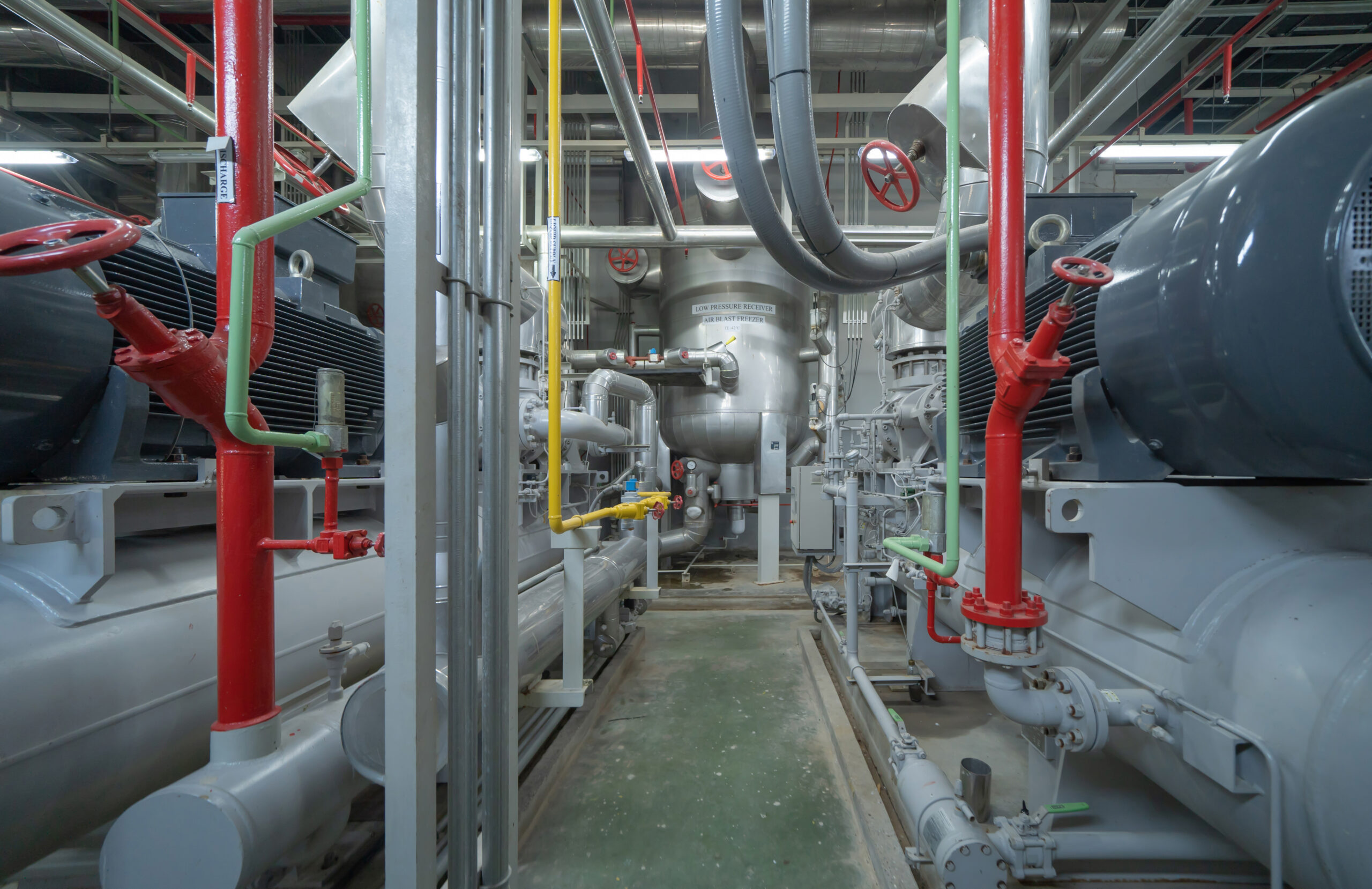
When industrial processes generate heat, that heat has to go somewhere. Left unchecked, excess thermal energy damages equipment, disrupts production, and compromises product quality. High-performance chillers solve this problem by removing heat efficiently and consistently — making them essential across a wide range of industries.
Here are five industrial applications where chillers aren’t just helpful, they’re mission-critical.
1. Plastics Manufacturing
Plastic production involves melting raw materials and molding them into precise shapes. The cooling phase determines the final product’s dimensional accuracy, surface finish, and structural integrity. Chillers provide the controlled, consistent cooling needed to solidify plastic parts without warping, shrinkage, or internal stress. Without reliable chilling, rejection rates climb and production slows — two outcomes no manufacturer can afford.
2. Food and Beverage Processing
Temperature control is non-negotiable in food production. Whether it’s chilling beverages after pasteurization, maintaining cold storage environments, or cooling equipment during continuous operation, chillers keep processes within strict regulatory and quality standards. They support everything from dairy production and meat processing to brewing and bottling. Consistent cooling also extends shelf life and protects against contamination — both critical concerns in this sector.
3. Chemical and Pharmaceutical Manufacturing
Chemical reactions are highly sensitive to temperature. In pharmaceutical and chemical processing, even small deviations can alter a compound’s composition, reduce yield, or create safety hazards. Chillers maintain precise temperature ranges throughout reactors, fermenters, and storage systems. This level of control is essential for ensuring product purity, regulatory compliance, and repeatable batch outcomes — especially in facilities operating under strict GMP (Good Manufacturing Practice) guidelines.
4. Laser and Metal Cutting
High-powered lasers and CNC cutting machines generate intense heat during operation. Without adequate cooling, the cutting head, optics, and surrounding components degrade quickly — reducing accuracy and shortening equipment lifespan. Chillers remove heat from these systems in real time, keeping operating temperatures stable and protecting precision components. For manufacturers focused on tight tolerances and high output, chiller-supported cooling is a core part of the production process.
5. Data Centers and Industrial Computing
Large-scale computing infrastructure generates enormous amounts of heat. Industrial data centers and control systems depend on precise climate management to keep servers, processors, and networking equipment running within safe thermal limits. Chillers — often working alongside cooling towers and air handling units — are central to these thermal management strategies. Downtime in a data center can have massive operational and financial consequences, which is why robust, redundant chilling systems are standard in facility design.
Why Chiller Performance Matters
Across all of these applications, the common thread is clear: temperature control directly affects output quality, equipment reliability, and operational efficiency. A chiller that underperforms — whether due to insufficient capacity, poor temperature stability, or unreliable operation — creates a cascade of downstream problems.
High-performance chillers are engineered to handle demanding load conditions, maintain tight temperature tolerances, and operate continuously without failure. In industrial settings, that level of dependability isn’t a luxury — it’s a baseline requirement.
Whether you’re evaluating a new installation or upgrading aging equipment, understanding how chillers function within your specific process is the first step toward making the right choice for your facility.