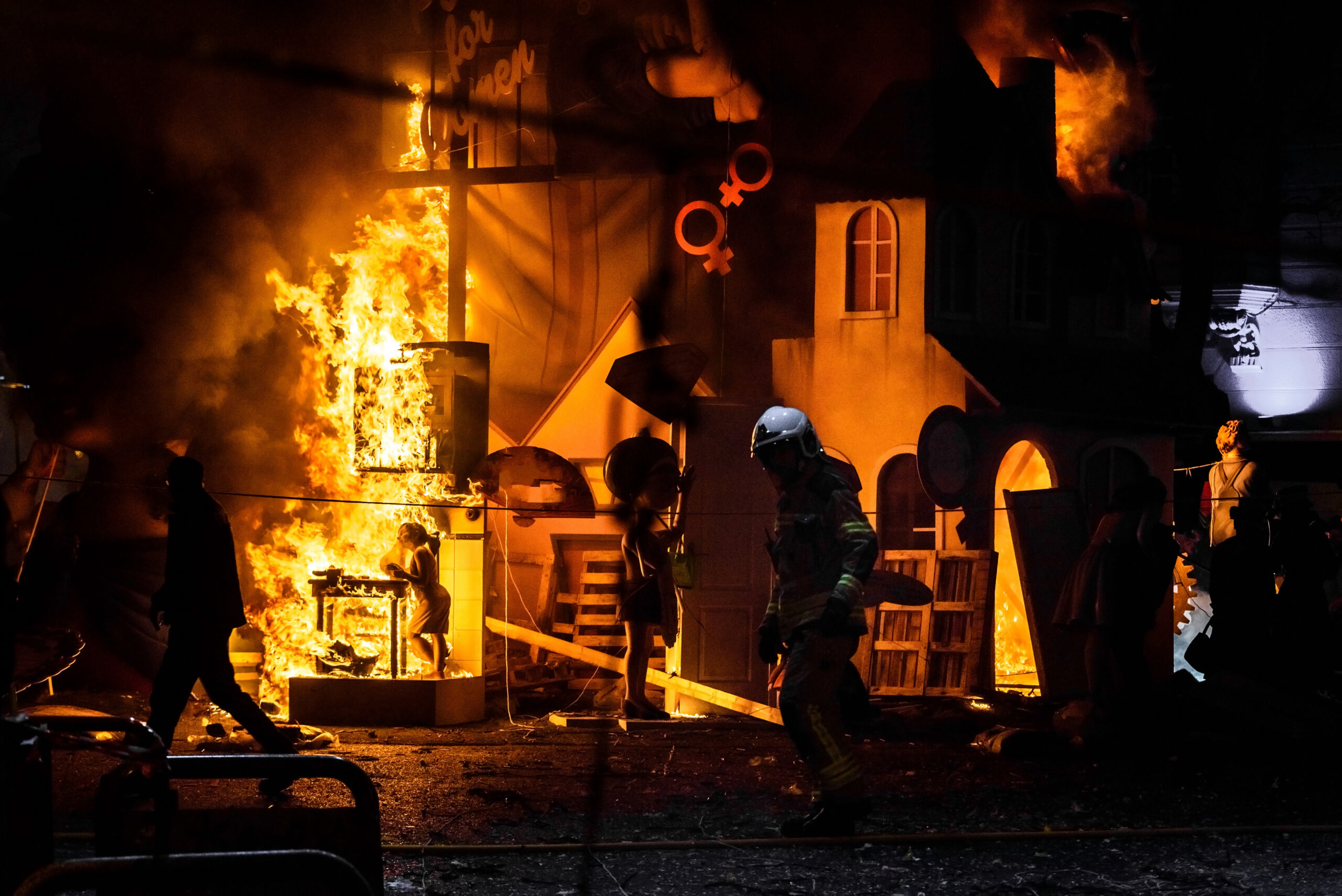
When a pipe bursts, a fire breaks out, or floodwater starts creeping across the warehouse floor, the first 30 minutes determine everything that follows. Inventory losses, structural damage, and downtime costs all hinge on how quickly and correctly your floor managers react before restoration crews even arrive. Yet many facilities invest heavily in disaster recovery contracts and insurance policies while overlooking the one asset that matters most in those critical early moments: a trained, confident floor manager who knows exactly what to do.
Why the First 30 Minutes Matter So Much
Warehouse restoration professionals will tell you the same thing every time: damage compounds fast. Water spreads. Smoke infiltrates products and packaging. Structural stress from a partial collapse can worsen with every passing minute. The actions taken immediately after an incident either contain the damage or allow it to spiral into a much larger, costlier problem.
Floor managers are almost always the first line of response. They’re on-site, they know the layout, and they’re the ones employees will look to for direction. Corporate emergency plans are only as good as the person executing them in real time, which is why floor manager training deserves as much attention as your restoration vendor contracts.
Minute One Through Five: Assess and Alert
The instinct to jump straight into cleanup or salvage mode is strong, but the first few minutes should be spent on assessment and communication. Floor managers need to quickly determine the nature and scope of the disaster: Is it contained to one area or spreading? Is there an immediate safety threat like fire, gas, or structural instability?
Once the situation is assessed, the next move is alerting the right people. This means triggering internal emergency notifications, contacting emergency services if needed, and looping in leadership. Training should emphasize a clear, memorized communication chain so no one wastes time figuring out who to call. A posted or laminated contact list at key stations removes any guesswork under pressure.
Minute Five Through Fifteen: Evacuate and Secure
If there’s any risk to personnel, evacuation takes priority over everything else, including inventory. Floor managers should be trained to direct employees to designated safe zones using clear, calm instructions. Panic spreads quickly in a warehouse environment, and a manager who projects composure can prevent a chaotic scramble that leads to injuries.
Once people are accounted for, attention shifts to securing the site. This might mean shutting off water valves, cutting power to affected zones, or closing fire doors to slow the spread of smoke or flames. These actions require managers to know the location of shutoffs and control panels without having to search for them, which is why hands-on walkthroughs should be part of every training session, not just verbal briefings.
Minute Fifteen Through Thirty: Document and Coordinate
With people safe and the immediate threat contained, the focus moves to documentation and coordination with incoming responders. Floor managers should be trained to take photos and videos of the damage as it appears in the moment, before any cleanup begins. This documentation becomes invaluable later for insurance claims and for restoration teams trying to understand the full scope of what happened.
This is also the window to start coordinating with warehouse restoration specialists. Having a pre-established relationship with a restoration provider pays off here since managers can make that first call armed with specific details: the type of incident, the affected square footage, and any known hazards. The faster restoration teams get accurate information, the faster they can mobilize the right equipment and personnel.
Building Muscle Memory Through Training
None of this happens naturally under stress. It happens because floor managers have rehearsed it. Effective training programs use realistic simulations, not just slideshow presentations, so managers build muscle memory for high-pressure decisions. Walkthroughs of shutoff valves, mock evacuation drills, and practice calls to restoration vendors all help translate a written emergency plan into instinctive action.
Regular refreshers matter too. Emergency procedures that were reviewed once during onboarding fade from memory fast. Quarterly or biannual drills keep the response sharp and give new employees exposure to the same protocols.
The Payoff of Preparedness
A well-trained floor manager can be the difference between a minor incident and a major loss. The first 30 minutes are chaotic by nature, but they don’t have to be directionless. With clear protocols, hands-on practice, and a direct line to warehouse restoration professionals, your team can move from panic to purposeful action, protecting both people and property when it matters most.