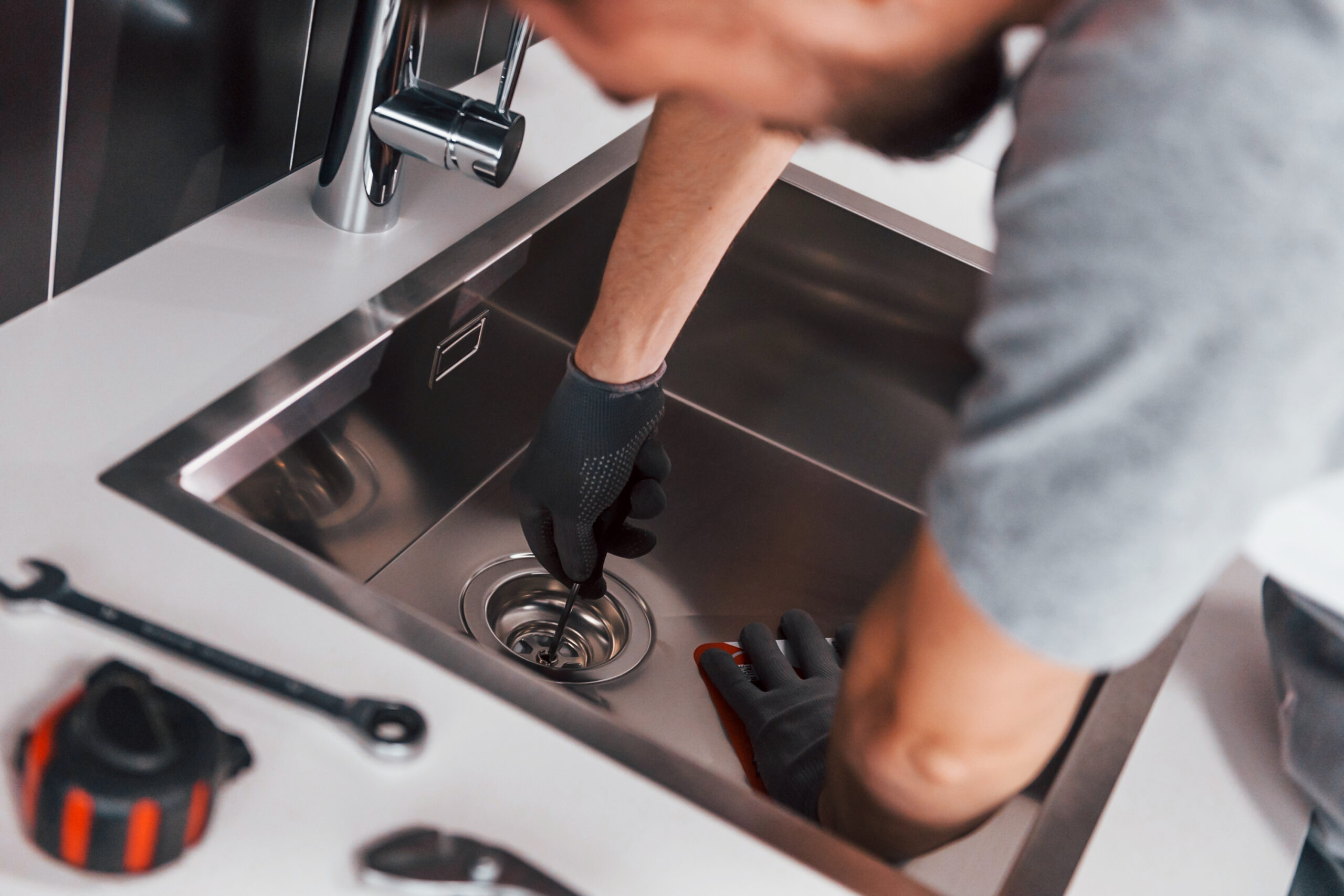
A slow or clogged drain is one of those household problems that’s easy to ignore — until it isn’t. When water starts backing up in your sink, shower, or tub, it’s a clear sign that something isn’t right beneath the surface. While a plunger might offer temporary relief, professional drain cleaning services go much deeper, addressing the root of the problem rather than just pushing it further down the line.
Here’s a breakdown of what actually happens when a professional comes to clean your drains.
Initial Assessment
Before any work begins, a trained technician will assess the situation. This means asking questions about the symptoms — how long the drain has been slow, which fixtures are affected, and whether there are any unusual odors or sounds. This step matters because different types of blockages require different approaches. A single slow drain tells a different story than multiple drains backing up simultaneously.
Camera Inspection
One of the most valuable tools in a plumber’s kit is a drain camera. This small, waterproof camera is fed into the drain line to give a real-time view of what’s going on inside the pipe. It can reveal:
- Grease and soap buildup along pipe walls
- Tree root intrusion into underground lines
- Foreign objects lodged in the pipe
- Damaged or collapsed sections of pipe
This step eliminates guesswork and ensures the right method is used to clear the blockage. It also helps identify any underlying issues that could cause problems down the road.
The Cleaning Process
Depending on what the inspection reveals, the technician will choose the most effective cleaning method.
Drain snaking is a common approach for straightforward clogs. A flexible metal cable with an auger tip is fed into the drain and rotated to break apart or pull out the obstruction. It’s particularly effective for clogs caused by hair, food debris, or small objects.
Hydro jetting takes things a step further. This method uses a high-pressure stream of water to blast away buildup from the inside of the pipe walls. It’s more thorough than snaking and is often used for stubborn grease accumulations or heavily scaled pipes. The result is a pipe that’s essentially restored to near-original condition — not just cleared, but cleaned.
Post-Cleaning Inspection
After the drain has been cleared, many professionals will run the camera through again to confirm the blockage is fully removed and that the pipe is in good structural condition. This final check gives homeowners peace of mind and ensures the job was done completely.
Why It Matters
Professional drain cleaning services do more than fix an immediate inconvenience. Regular professional cleaning helps prevent:
- Recurring clogs from stubborn residue left behind by DIY methods
- Pipe damage caused by chemical drain cleaners, which can erode pipe material over time
- Unpleasant odors from organic buildup inside drain lines
- Sewage backups that can cause significant water damage
Attempting to handle serious clogs with store-bought solutions often delays the inevitable. Professional service gets it right the first time and helps extend the life of your plumbing system.
Final Thoughts
Professional drain cleaning is a straightforward process, but it’s one that requires the right equipment and expertise to do properly. From the initial assessment to the final camera check, each step is designed to ensure your drains are fully functional and your pipes are protected. If you’ve been dealing with slow drains or recurring backups, it’s worth calling in the professionals — the fix is usually faster and more effective than you’d expect.